 Posted by
 Praia de Victoria, Terceira, Azores, to the UK is a passage of about 1300 miles. This time of year the weather strategy is to hug a low-pressure system and take advantage of the winds. The key is to stay in front of the low and bypass the heaviest weather, but not get becalmed by the dominant Azores High on the other side. The basic route is north towards Iceland until the winds shift and then turn to starboard and head straight to the U.K. Typically, the forecasts were changing constantly and our departure date was in flux.
There were three other fellow OCC boats making the same passage: Anne and Jonathan on Sofia, Amy and Roger on Shango, and Anette and Anders on Horizon. Our plan was to leave together and have an informal SSB net every night to check in and share updates. Anne and Jonathan would emcee the evening call.
Sunday morning rolled around and Sofia got the green light from their weather router and hoisted anchor. We watched as they sailed off and debated whether we should follow them. After downloading new Gribs and comparing notes with Roger on Shango, we decided to wait until a set of squalls blew through overnight.
Monday morning was miserable as the storms from the previous night lingered. The rain and cold made the last chores of pulling our dinghy and securing it to the cabin top, and transferring fuel unpleasant and slow. We were finally ready to leave at 13:30, about two hours behind Shango and six hours behind Horizon.
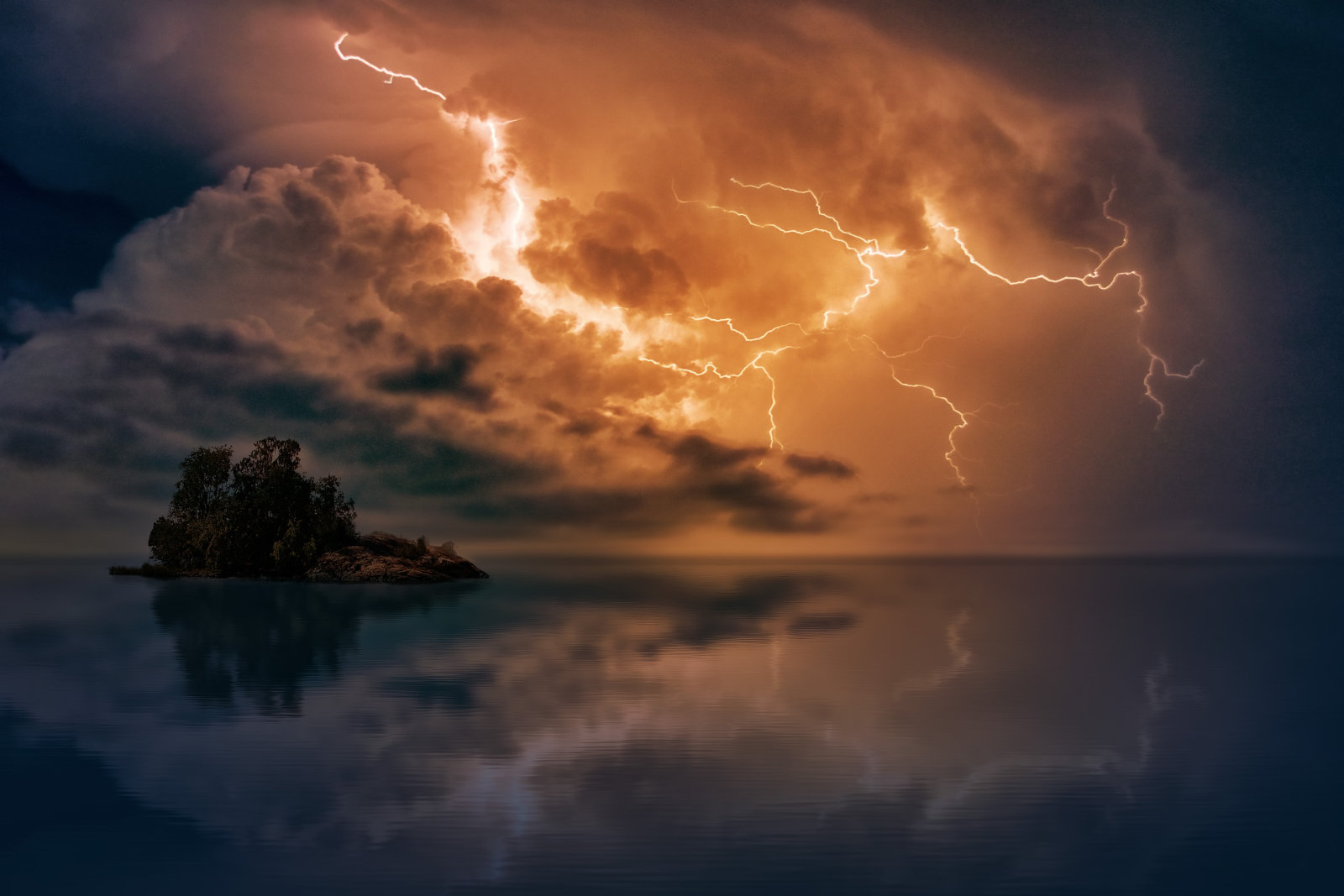
In the midst of our last minute tasks we got a call on the VHF from another OCC boat, Moonstone. Alan told us Sofia had been struck by lightning during the night. Thankfully Anne and Jonathan were okay, but they lost all their electrical systems and were slowly sailing back to Praia de Victoria. They saved their satellite phone and handheld VHF radios by sticking them in their oven during the storm. Ovens act as a Faraday cage, redirecting the flow of electromagnetic energy and protecting the electronics inside them.
Late Monday afternoon we heard Anne’s faint calls to all traffic on her VHF letting boats in the vicinity know they were there. Short of a visual fix, they were blind to others and vice versa. My heart was heavy for them. This was to be their last major passage on their way home to England after several years circumnavigating.
Being struck by lightning has been one of my fears since we set sail. I’m still not sure why it scares me so much when there are plenty of more serious concerns, but it does. Whenever there are thunderstorms I count the seconds between the flash and thunder…slowly getting either more anxious, or relieved, as the span gets shorter or longer.
Last year I wrote about a wild night we spent at anchor in Cat Island in the Bahamas. From a distance it was one of Nature’s beautiful and wondrous sights, albeit concerning. By the time the storm awas on top of us I was a bundle of nerves, adrenaline racing and my heart rapidly beating. Lightning was cracking all around Aleta as the thunder roared. The skies lit up constantly and you could feel a charge in the air. I didn’t sleep a wink.
I thought of that night when I heard about Sofia. In the future, whenever we try to dodge squall lines (which feels a bit like running a gauntlet), I’ll think about Sofia. My hope is that before long they will be enjoying new electronics on an uneventful passage back to the U.K. And that we never share that particular sailing mis-adventure.


Always been my big fear too. I’ve never gotten used to even after 10 years sailing and living aboard.