 Posted by

We begin an occasional series on famous sea captains with a character familiar to our British fans, but one who remains mostly unknown outside the Commonwealth.
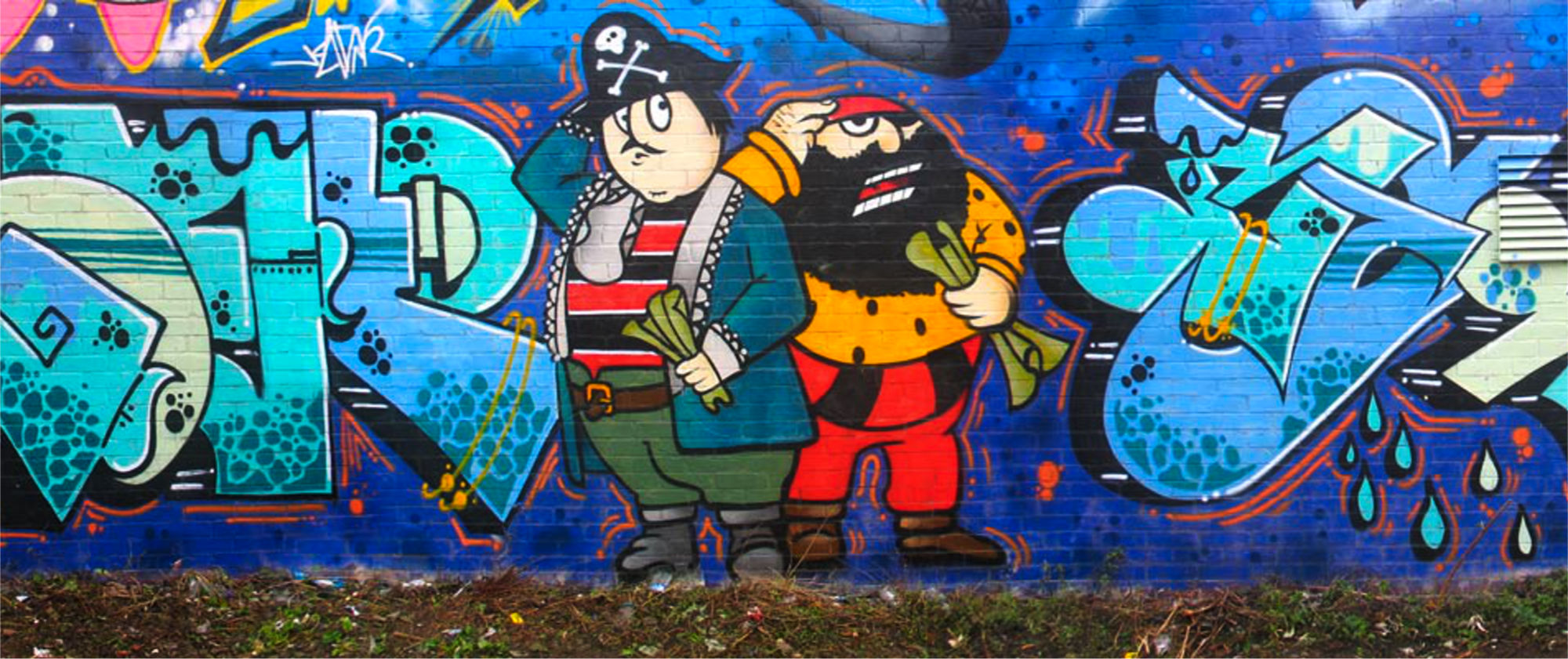
The rotund figure of pirate Captain Horatio Pugwash is seared into the memory of any child fortunate enough to have had access to BBC children’s telly in the late 1950s and early 1960s. The corpulent captain of the Black Pig was known as much for his witlessness as his good fortune. Hardly an episode transpired where he wasn’t rescued by his loyal crew. Each episode was a seven-minute-ish tale of adventure – long enough to give mum a needed break for a cup of tea and a fag (cigarette for you Americans).
For those watching closely, the unspoken admonishment was to never assume that because someone is in charge they know what they are doing. In this way, Captain Pugwash continued the traditional British mockery of authority. Particularly aristocratic military leaders like Gilbert and Sullivan’s Modern Major General, Colonel Blimp and Black Adder’s General Hogmanay Melchett. It was a lesson that proved very useful for me as I navigated corporate life in adulthood.
Tottering Turtles!
An essential element of any great fictional captain is how they speak when under pressure. Given his pre-school target audience, typical Pugwash-isms are G-rated and include such alliterative gems as:
- Kipper me capstans!
- Scuttling cuttlefish!
- Plundering porpoises!
- Lolloping landlubbers!
- Suffering seagulls!
- …and that perennial nautical favourite: Blistering barnacles!
International Talk Like A Pirate Day comes hard on the heels of such entertaining oaths.
The Crew
Crew members include, Tom the Cabin Boy, the pirates Barnabus and Willy, and Mister Mate. Pugwash’s arch-rival was Cut-Throat Jake. As his audience matured, the crew mysteriously acquired racier, more playground-oriented names. Master Bates, Seamen Staines, and Roger the Cabin Boy all joined the ship’s manifest. So engrained were these parodies in Britain’s collective memory that in 1991 no less a paper than The Guardian published them as fact. John Ryan, the series’ creator, sued and won. But there’s no doubt the saucy names kept the cartoon alive in the public’s consciousness well beyond its sell-by date.
History and Production
Originally a comic strip character, the BBC commissioned an animated series that first broadcast in 1957. The first black and white series ran for nine years and was revived in colour in 1974, and again in 1997. Cleverly, the first two series were filmed in real time, the character’s motions puppeteered in the background using cut-outs with cardboard levers. Echoes of this technique will be familiar to fans of Terry “Python” Gilliam. The final series was a traditional animation that lost a little in its sophistication. Peter Hawkins narrated the stories, voicing all the characters. Hawkins was also the voice of that other 1960s BBC classic, Bill and Ben the Flowerpot Men. The good captain continued life as a comic book character throughout his intermittent television appearances.
Captain Pugwash has transitioned from a young child’s adventure story, through adolescent smirk, to, finally, nostalgic icon. At least it is for those old enough to remember the magic that was early television.


This is GREAT! I had no idea how deprived we were on this side of the pond.
Mostly crap here, though I’m sure you remember Rocky and Bullwinkle – also known for low production values, and excellent double entendres.
Fair winds, and following seas!
Michael
Thanks Michael! I grew up on both sides of the Atlantic, so I’m a big fan of Rocky and Bullwinkle, too. Boris Badenov taught me all I know about fake Russian accents!