 Posted by
Position: 37° 35′ 49”N 0° 58′ 48”W

Easter. Holy week. Everyone is out on the town, and we haven’t seen this many people in Cartagena since the celebration of the three kings arrival by boat for Epiphany in 2020. Just before lockdown. Even though we returned last year for Cartagena Days in September, the annual re-enactment of the siege of Carthago Nova by the Visigoths in the 5th century CE, my dominant memories of the city was all empty streets and shuttered restaurants.
Now cruise ships come in twos, adding German, French, and American to the variety of Spanish accents that hum along the Calle Mayor. The squeals of small children in a school playground brought life to a formerly dull intersection. Hearing the to and fro of negotiations as we walked through the open-air trader’s market reassured us that even commercial traditions had survived the past three years.
Holy Week
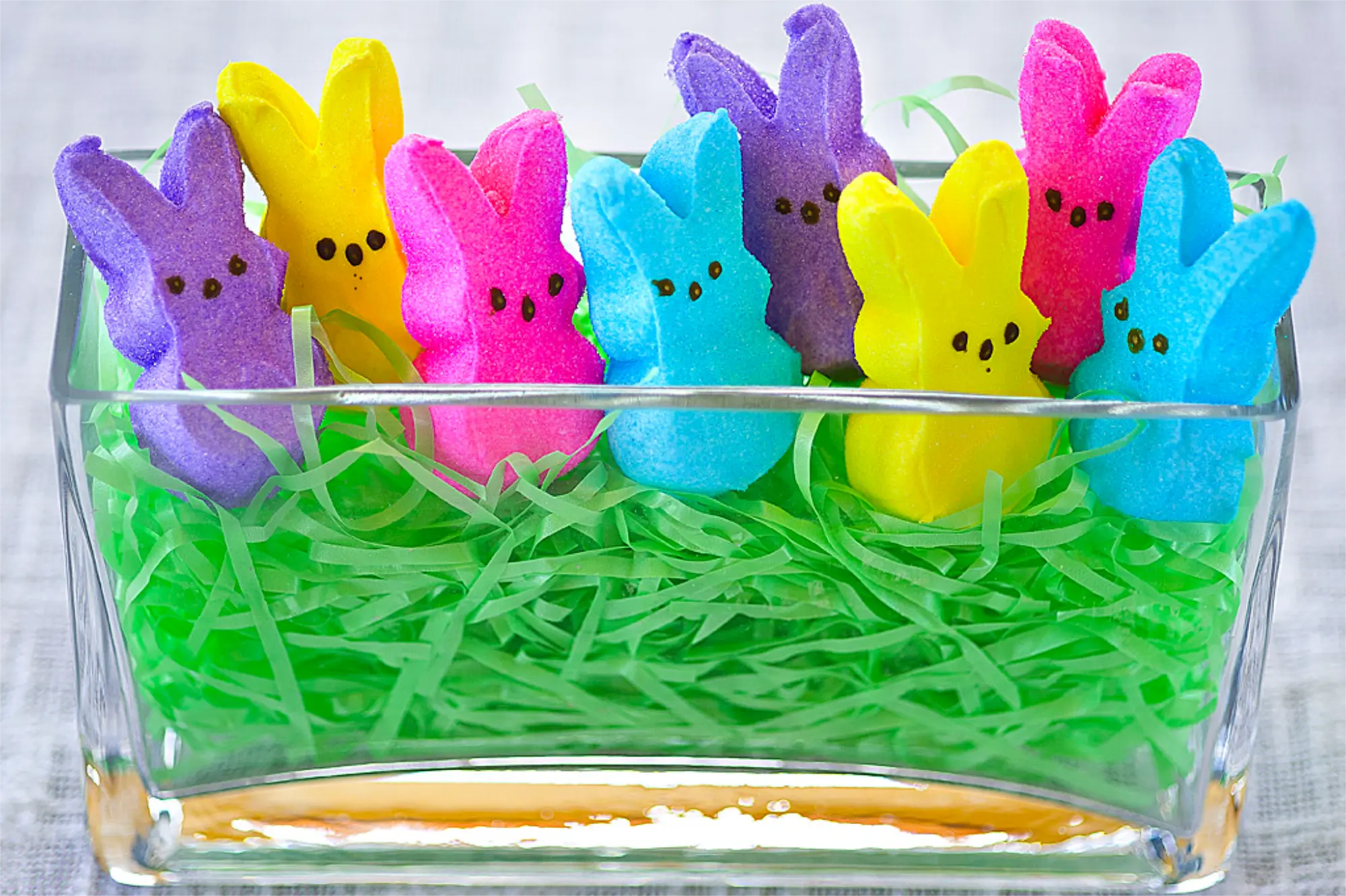
Semana Santa, the most important week on Spain’s christian calendar, is an entire week of veneration, prayers, parades, and celebration. Cartagena’s is the second biggest of its kind in the country and people come from miles away to participate. Holy Week, for you heathens that believe only in marshmallow Peeps, begins here with Viernes de Dolores (Friday of Sorrows), a full week before Good Friday. It continues with days of celebration that for many are only recognized thanks to the hard work and oblique references of English mystery writers:
- Viernes de Dolores (Friday of Sorrows) – a solemn celebration of Mary’s Seven Sorrows and the start of Cartagena’s processions. (q.v.)
- Sabado de Pasion (Passion Saturday) – the eve of Palm Sunday comes with feasts and processions.
- Domingo de Ramos (Palm Sunday) – Jesus’ return to Jerusalem, celebrated more widely as the start of Holy Week.
- Lunes Santo (Holy Monday) – Jesus drives the money changers out of the temple. Celebrated by mass and a couple of small processions.
- Martes Santo (Holy Tuesday) – Jesus teaches at the temple and wrangles with lawyers. Later he heads to the Mount of Olives to chill with his bros. Much like Monday, the events are muted.
- Miércoles Santo (Holy, or Spy Wednesday) – Judas cuts a deal to betray Jesus for cash. A series of processions pass through the streets at night.
- Jueves Santo (Maundy Thursday) – Jesus washes the feet of his disciples after the Last Supper. A silent nighttime procession passes through the city in a complete blackout.
- Viernes Santo (Good Friday) – Two processions, one starting at 4:30AM commemorates Christ’s arrest and crucifixion. A second in the evening memorializes his burial.
- Sábado Santo (Holy Saturday) – A day of parades and solemn reflection.
- Domingo de Resurrección (Resurrection Sunday) – Easter Sunday, Christ is risen! A time of celebration with family.
It’s a full calendar taken seriously by the entire city and its church groups. At its heart it is a strong tradition that involves the entire family.
Side Note

Let’s agree on a couple of things. First, that without cultural appropriation we would never have rock and roll. In his 1975 interview with Tom Snyder, John Lennon said, “[Rock and roll] came from black music… and the Beatles made it a little more white…” Implicit in his statement is the acknowledgement that inspiration by other cultures is part of the creative process, which itself leads to cultural evolution.
Second, that the misappropriation of cultural symbols also leads to cultural evolution, but not in a positive way. The swastika and the capirote being two examples that spring to mind. Let’s focus on the latter for a minute.
The pointed hat and cowl worn in the parades for Holy Week date back at least as far as the 14th century. During the Inquisition men and women under arrest had to wear a conical paper hat, much like a dunce’s cap, during a session of public penance and torture (Auto-da-fé).
After the Inquisition was abolished, capriotes continued to be worn as a sign of penance by members of Catholic brotherhoods. The capriote’s adoption by the Ku Klux Klan came only after the 1915 release of D.W. Griffith’s film, The Birth of a Nation. Indeed, that movie revived the entire Klan movement and has inspired generations of racist dickheads ever since.
Photos:


Video
This video will give you some sense of how crowded and well attended the parades are. Each religious section was followed by a military or administrative group (usually in much smaller numbers). Indicating, I believe, how close Spain’s civil institutions remain with its religious ones. At least for the public at large.
For the audience, simple plastic seats lined the streets. Each has a QR code for those who reserved in advance. For all of these events, restaurants and bars stayed open until the very wee hours. Street vendors, pushing two-wheeled carts, hawked bottled water, along with brightly coloured sweets and noise-makers for the kiddos.
Huge palanquins bearing Christ’s effigy, marshalled precariously by dozens of robed men, steadily snake through the streets. Reaching several stories high, at night they shine with the cool white intensity of LED bulbs. Every 100 metres or so a bell is rung and the entire contraption set down so the bearers can rest. After a couple of minutes the bell chimes again and as one the heavy conveyance lifts up with a shout, sways left, then right and moves off.


